Review: Watercolor Bunny Clipart Set of 14 for Embroidery
As a designer who spends more time staring at stitch simulations than most people care to admit, I approach new design assets with a mix of excitement and skepticism. When I first opened the Watercolor Bunny Clipart Set of 14, my immediate reaction wasn't just about how cute the bunnies looked on screen; it was about how they would translate from a digital Illustrations file into a tangible, stitched reality. There is a distinct gap between a watercolor wash in a PNG file and the texture of thread on fabric, and bridging that gap requires a keen eye for detail.
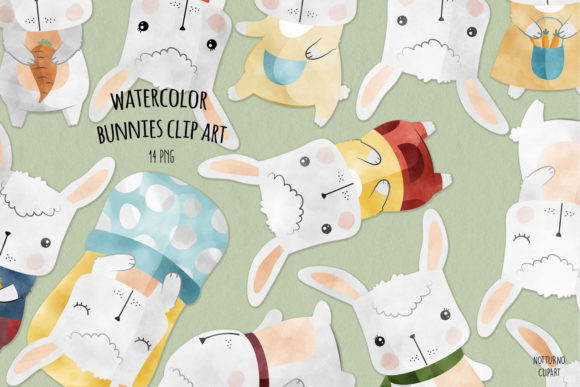
The mood of this collection is undeniably soft, whimsical, and perfect for the current trend toward gentle, nursery-inspired aesthetics. The shapes are organic, avoiding hard, geometric lines in favor of flowing edges that mimic a paintbrush stroke. For an embroidery project, this presents both an opportunity and a challenge. The visual personality suggests these designs belong on items that invite touch and comfort. I immediately envisioned them on a high-quality linen tote bag design or a soft cotton muslin for a baby embroidery project. However, the "watercolor" effect relies heavily on color blending, which can be tricky to replicate without turning your machine embroidery design into a muddy mess if the stitch density isn't managed correctly.
Real-World Application: The Spring Boutique Collection
To truly test the viability of the Watercolor Bunny Clipart Set of 14, I imagined a specific real-life scenario: preparing a limited run of custom apparel for a local boutique's spring launch. The client wanted a series of sweatshirt embroidery pieces that felt handmade and exclusive, not mass-produced. I selected three specific bunny illustrations from the set that offered varying levels of detail.
The first thing I considered was the finished product appeal. These designs have a natural charm that resonates with customers looking for personalized gift options. Unlike rigid, vector-style logos, these bunnies feel approachable. If I were an Etsy seller listing these as part of a small shop product line, the visual softness would likely increase buyer engagement. People connect with art that looks like it has a human hand behind it, even when digitized. The key here is ensuring the thread colors match the subtle gradients of the original clipart. A flat fill might lose the watercolor magic, so utilizing a mix of fill stitch and lighter running stitch overlays could help maintain that artistic depth.
For the boutique order, I pictured these bunnies placed on the left chest of oversized hoodies or centered on the back of denim jackets. The layout of the clipart set allows for flexibility; some bunnies are sitting, others are peeking, which works wonderfully for creating a scene rather than just a single icon. This versatility makes the set valuable for commercial embroidery where clients often want something unique but cohesive across different garment types.
Navigating Fabric Textures and Hoop Limitations
While the aesthetic is strong, practical application requires caution. Not every surface is ready for the Watercolor Bunny Clipart Set of 14. If you are working with textured fabrics like heavy waffle knits or rough canvas, the fine details of the watercolor effect might get lost. The fabric texture can interfere with the clarity of small stitch density changes. In these cases, I recommend simplifying the design or increasing the size to ensure the details remain visible.
Another critical factor is the hoop size. Some of the larger compositions in the set of 14 might require a jumbo hoop, which isn't available on every home machine. If you are planning a custom apparel run, check your machine's maximum area before committing to a specific design from the pack. Furthermore, curved surfaces like caps present a significant challenge. The distortion inherent in cap framing can warp the delicate proportions of a watercolor-style bunny. Unless you are highly experienced with cap digitizing adjustments, it is safer to stick to flat surfaces like pillow covers, tea towels, or t-shirts.
Dark fabrics also require a strategic approach. Since watercolor art often relies on white space or light pastels, stitching these directly onto black navy fabric without an underlay or background patch will result in poor contrast. You might need to consider an applique design approach, where the bunny is stitched onto a light fabric patch first, then applied to the dark garment. This adds dimension and ensures the colors pop exactly as they do in the digital preview.
Maximizing Value for Craft Businesses
For creative entrepreneurs and craft business owners, the value of a design lies not just in its beauty, but in its reliability. Using the Watercolor Bunny Clipart Set of 14 effectively can elevate your brand consistency. Imagine offering a coordinated line of holiday embroidery for Easter, featuring these bunnies on aprons, kitchen towels, and tote bags. The cohesive look builds trust with your customers, signaling professionalism.
However, before selling any handmade product featuring these designs, you must verify the licensing terms. Just because a file is purchasable does not automatically grant commercial rights for unlimited sales. Always confirm whether the license covers physical goods, digital products, or both. Additionally, if you plan to sell these as a digital embroidery file yourself, ensure you have the right to redistribute or modify the source art. Protecting your craft business from legal issues is just as important as the quality of your stitching.
Practical Designer Notes for Success
To get the best results from this collection, follow these practical steps before starting your main production run:
- Test on Scrap Fabric: Never skip the test stitch. Use the same fabric and stabilizer combination you intend to use for the final item to check for puckering or registration issues.
- Check Thread Contrast: Watercolor effects rely on subtle shifts. Ensure your thread chart has enough variation to capture the gradient without creating harsh lines.
- Review Stitch Density: High density can make fabric stiff. If the design feels too heavy, consider reducing the fill percentage slightly to maintain drape, especially on baby clothes.
- Inspect Small Details: Zoom in on the digitized file. Are there tiny jumps or trims that could cause thread breaks? Clean up the path if necessary.
- Mockup in Black and White: Convert your preview to grayscale. If the design loses its definition without color, the contrast might be too low for clear stitching.
- Stabilizer Selection: For stretchy fabrics like sweatshirts, use a cut-away stabilizer to prevent distortion over time. For woven towels, a tear-away might suffice.
- Verify File Formats: Ensure the embroidery file formats provided match your specific machine brand to avoid conversion errors.
In conclusion, the Watercolor Bunny Clipart Set of 14 offers a delightful resource for those looking to add a touch of artistic flair to their work. It shines brightest on projects where softness and character are the primary goals, such as nursery decor, spring fashion, and thoughtful gifts. By respecting the limitations of the medium and preparing your materials carefully, you can transform these digital Illustrations into stunning, tactile works of art that customers will cherish. Whether you are decorating a single embroidered patch or outfitting a whole store, this set has the potential to be a staple in your creative toolkit, provided you approach it with the eye of a craftsman and the mind of a strategist.